
What is a portfolio?
A portfolio is a curated collection of your best work, designed to showcase your skills, creativity, and accomplishments. It provides insight into your personality, work ethic, and professional capabilities. Portfolios can include a variety of materials, such as photographs, drawings, documents, project reports, or digital media. They are especially useful when applying for jobs, internships, or freelance opportunities because they give potential employers or collaborators a tangible representation of your abilities.
In simple terms, a portfolio is a way to demonstrate your experience and competence in a particular field, whether it’s design, photography, writing, or any other professional discipline. Understanding what is a professional portfolio and why it is important can make a significant difference in how your skills are perceived.

Get a Free Consultation
Quick Contact
How to Create an Efficient Portfolio?
Creating an efficient portfolio is more than just compiling work; it involves strategic planning and showcasing your strengths effectively. Here are some key points to consider:
- Showcase Your Best Work: Focus on quality rather than quantity. Include projects that demonstrate your skills, creativity, and problem-solving ability.
- Diversify Your Work: A strong portfolio reflects versatility. Include different types of projects or tasks to show that you can adapt to multiple challenges.
- Use Technical Tools: Websites, design software, and portfolio platforms help organize and present your work professionally. Incorporating technical ideologies can enhance the impact of your portfolio.
- Tailor to Your Audience: Customize your portfolio depending on whether it’s for a potential employer, client, or academic purpose. Highlight projects relevant to their interests or needs.
- Keep it Updated: Regularly update your portfolio with new work to reflect your current skills and knowledge.
Creating a portfolio requires careful thought about the content, design, and presentation to ensure it communicates your expertise effectively.
Tools for Creating a Portfolio
There are many tools available, both free and paid, to help you create a professional portfolio online. These include:
- LinkedIn: A professional platform for highlighting career achievements, skills, and educational background.
- Visualize / Vizify: Tools to turn your resume and social profiles into visually appealing portfolio pages.
- Weebly: A user-friendly website builder for creating portfolio websites quickly without coding.
- About.me: A simple landing page to introduce yourself and showcase your work with a large profile image and short bio.
- WordPress: A versatile content management system for building fully customized portfolio websites.
- Wix: A drag-and-drop website builder with hundreds of templates and apps for portfolio customization.
- Portfolio Box: Provides themes optimized for creative portfolios, including hosting and marketing tools.
These platforms make it easier for graduates, job seekers, and professionals to compete online and display their work professionally. For more guidance on building portfolio websites and best practices, you can refer to MDN Web Docs – HTML/CSS.
Advantages of a Portfolio

A portfolio provides several advantages for individuals and businesses alike:
- Showcases Skills and Creativity: A portfolio demonstrates your expertise and unique approach to work.
- Professional Credibility: Including awards, references, and certifications adds credibility to your profile.
- Digital Accessibility: Portfolios can be shared online, making it easier for clients or employers to access your work.
- SEO Benefits: An online portfolio can improve your visibility in search results for relevant keywords.
A strong portfolio is a bridge between your skills and opportunities, making it easier for others to recognize your value.

How a Portfolio Website Benefits Businesses
Businesses can also leverage portfolio websites to establish credibility and attract clients. In today’s internet-driven market, having an online presence is essential. A portfolio website can:
- Highlight successful projects and client work
- Demonstrate your expertise and professionalism
- Improve SEO by targeting industry-specific keywords
- Differentiate your agency or business from competitors
A well-crafted portfolio website acts as a digital resume that showcases your services, builds trust, and draws in potential clients.
Online vs Offline Portfolios
Portfolios can exist in both online and offline formats:
Online Portfolio: Accessible via the internet, allowing global reach and easy updates. Examples include personal websites or platforms like LinkedIn.
Offline Portfolio: A physical collection of your work, such as printed photographs, reports, or documents. Useful for interviews or presentations.
Selecting the appropriate type should align with your objectives and target audience. Many professionals use both options to ensure complete coverage.

Portfolio Examples
Creating a portfolio requires understanding what to include. Here are examples for students and professionals:
- Graphic Designers: Project mockups, logos, branding work, illustrations
- Photographers: Collections of best photographs, client projects, awards
- Writers / Editors: Articles, blogs, copywriting samples, published work
- Web Developers / Designers: Websites, apps, UI/UX design projects
These examples show the versatility and purpose of a portfolio, depending on the field and audience.
Below are eight tools to create an outstanding professional portfolio online
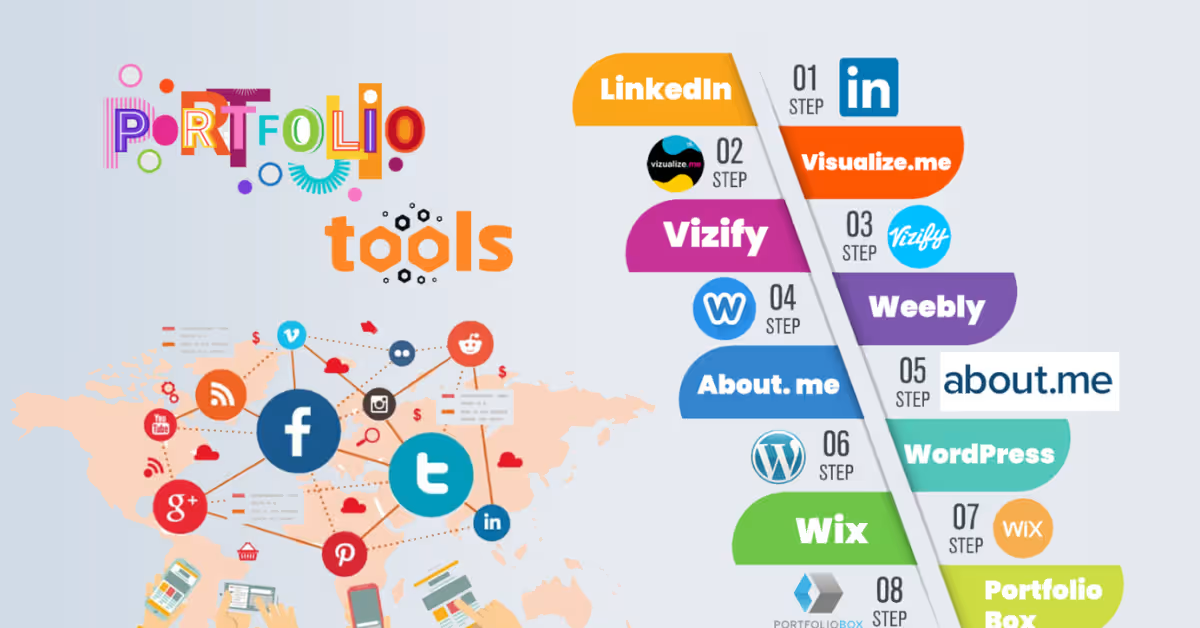
- LinkedIn – Perfect for professionals who want to showcase their career, education, and achievements using text and visuals. It’s one of the most important tools for career growth today.
- Visualize – Helps you present your value to potential employers visually, which can be more effective than plain text.
- Vizify – Turns your skills and experiences into a visual online profile. You can connect LinkedIn, Twitter, Facebook, and Instagram to generate a portfolio for your website—for free.
- Weebly – A simple website builder that lets anyone create a professional site quickly. Highlight your skills without spending too much time or needing coding knowledge.
- About.me – A clean and easy way to make a personal landing page. You can add a large background image of yourself and a short bio about your professional and personal work.
- WordPress – A powerful platform for blogs and websites. It’s widely used across the web and allows individuals to showcase their work with full customization.
- Wix – A code-free website builder with hundreds of HTML5 templates. Easily create a portfolio, add apps, and customize your site to highlight your professional accomplishments.
- PortfolioBox – Lets you design, host, and market your work online. Choose from thousands of modern themes optimized for desktops, tablets, and smartphones to create a unique professional portfolio.
Importance of a Website Portfolio

A website portfolio provides several key advantages:
- Showcases Your Reputation: Demonstrates your skills, credibility, and completed projects.
- Boosts SEO: Optimizing your portfolio with relevant keywords improves search engine visibility.
- Strengthens Your Brand: Highlights your unique style and differentiates you from competitors.
- Attracts Clients: Well-structured portfolios convince potential clients or employers of your capability.
A portfolio website is an essential tool for both individual professionals and creative agencies.
Portfolios Power Your Reputation:
A strong portfolio showcases your skills, projects, and achievements in one place. It builds trust with clients and employers by proving your expertise. Your work speaks for your abilities, reputation, and professionalism. Using a portfolio effectively can highlight your value as a highly skilled professional or vendor.

Portfolios Power SEO:

Creating a portfolio with examples of your work and services helps a web design agency rank higher in search results. Sharing projects and case studies online builds visibility and trust. This content shows your skills to potential clients and search engines. A strong, updated portfolio can make your agency more discoverable and credible.
Portfolios Power Your Brand:
A great portfolio showcases your best work and highlights your unique skills. It tells a story that sets you apart from others in your field. By presenting your achievements clearly, it builds trust with potential clients. A strong portfolio becomes a key tool to grow and promote your brand online.

Creative Portfolio Ideas for Graphic Designers
- Project Ideas: Include personal and professional projects that showcase your ability to execute a design from concept to final product.
- Types of Work: Highlight key skills in graphic design, video editing, photography, or writing.
- Portfolio Website Optimization: Ensure your website has a clean design, SEO-friendly structure, and easy navigation. Promote it through social media and other online channels.
Conclusion
A portfolio is more than a collection of work; it is a reflection of your skills, creativity, and professional journey. Understanding what is a portfolio, how to create one, and leveraging portfolio examples for students and professionals can significantly enhance your career opportunities.
Whether online or offline, a well-organized portfolio improves credibility, showcases your best work, strengthens your brand, and attracts clients or employers. By using the right tools, following strategic planning, and presenting your work effectively, anyone can build a professional portfolio that leaves a lasting impression.
A strong portfolio is not just a collection—it’s your story, your brand, and your pathway to growth.
